日本語
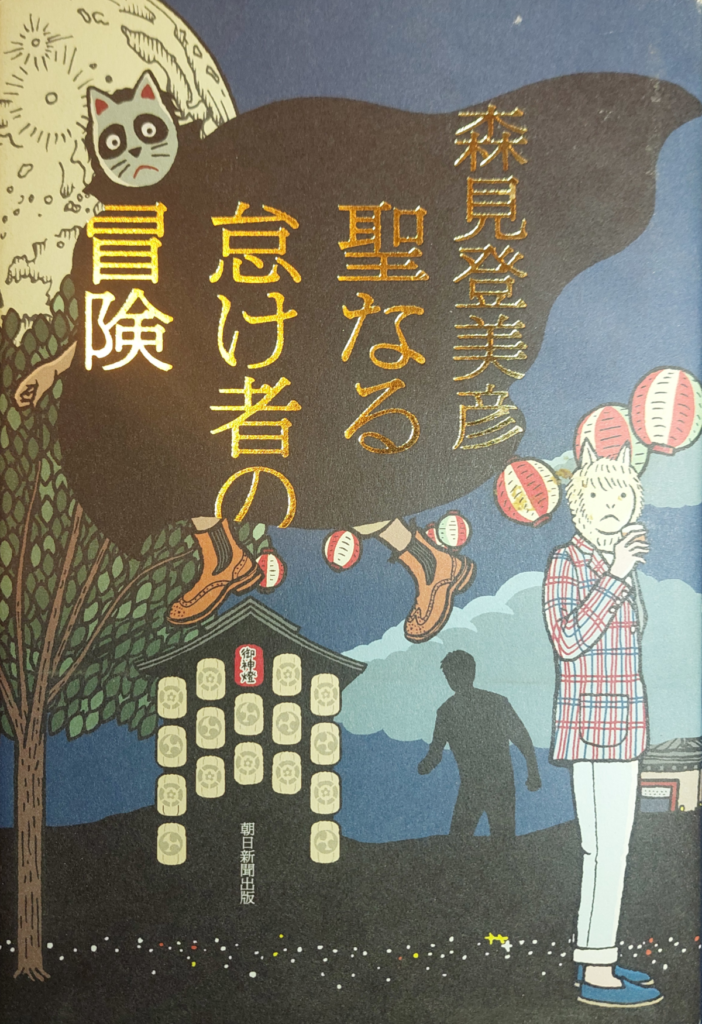
確か、おおよそ十年前に、我この本を買いました。その時、出張でシアトルにおりました。観光していた時、日本人向けの本屋を見付けました。気まぐれで、この本を選びました。その後、ツンドクで、この本が埃を集めました。それは残念だった。
今年、ようやく読みました。この本は本当に楽しいし、面白い作品。筆者の文章は、ダグラス・アダムズのがよく思い浮かびました。それを説明するのがちょっと難しいと思います。でも、そこはかとなく、そんな感じがありました。
出来る限り、ネタばれを避けたいと思います。でも、もし読者が一切のネタばれにもぶつかりたくなければ、この記事を読むのをやめるほうがいいと思います。
物語の前に、主な登場人物や重要な場所が紹介されます。その後、物語がはじります。面白いことに、真の主人公の登場がしばらくのあいだやや現れません。それに、物語の大半で、その主人公がどうも重要に見えませんん。読者がたぶん「このやろう、本当に主人公?」と疑いさせられます。
この作品には、いろいろなテーマが含まれます。非常識。ヒーローの意味。自分の心の怠け者。人の基本的な個性。存在意義。短くて、おかしな作品にしては、なかなか意味で豊かな本です。
ぽんぽこ仮面は、若しかして、この本の最も面白い人物。彼が自分の存在意義を求めて、仮面のヒーローをやっています。素敵ですね?でも、その一部として、彼は名誉や人々の感謝が欲がっています。ヒーローの役にたいして、これは我が意見に過ぎないが、その動機がちょっと虚しいと思います。後で、あの名誉と感謝を失いかけている時、彼の存在意義まで揺るぎます。
この本を読んで、多分、アメリカ人の我の一番難しい部分は、地理と地名。京都にかんして、我はなんの土地勘をもっていません。京都の地図は重宝な物になりました。それに少し結び付かれていて、地名の正しい読み方に悩まされました。多くの場合、道路や場所などの名前に、ふりがながありません。無理もありません。これは日本人むけの作品。日本人の殆どが、正しい読み方を知っていますだろう。
この本は凄く面白かった。本当に、十年まえ、我が運がよかったと思います。2026で、きっとまた森見先生の作品の一つを読みます。
English
If memory serves, it was around 10 years ago that I bought this book. At the time I was on a work trip to Seattle. While doing some sightseeing, I found a bookstore for Japanese people. On a whim, I chose this book. Afterward, it gathered dust in my Tsundoku pile. That was unfortunate.
This year, I finally read it. This book is a really fun and interesting work. The author’s style really reminds me of Douglas Adams‘. It’s kinda hard to explain why, but somehow I get that vibe.
As much as possible, I’d like to avoid spoilers. However, if you don’t want to run into any spoilers whatsoever, you should probably stop reading this article.
Before the story, the primary characters and important places are introduced. After that, the story begins. Interestingly, it takes a bit for the true main character to even show up. And for a good half the story, nothing about him seems like a main character. Readers probably doubtfully ask themselves “Is this guy really the main character?”.
This work incorporates a variety of themes. Absurdity. The meaning of a hero. One’s inner slacker. A person’s fundamental personality. Reason for being. For such a short and strange work, it’s a book rich with meaning.
Pompoko-Mask is, perhaps, the book’s most interesting character. Seeking a reason for being, he becomes a masked hero. Isn’t that splendid? But part of it is that he craves fame and gratitude. This is just my thinking, but I find those motivations a tad bit empty. Later on, when he starts losing that fame and gratitude, it shakes his sense of reason for being.
Reading this book, probably the hardest part for me as an American was the geography and place-names. Regarding Kyoto, I have no real knowledge of the lay of the land. A map of Kyoto proved invaluable. And somewhat connected, I have trouble knowing how to correctly read the place-names. In most cases, roads and sites aren’t given furigana. This is understandable. It’s a work for Japanese people. The vast majority of Japanese people probably know the correct pronunciations.
This book was really interesting. I think I was truly lucky 10 years ago. In 2026, surely I’ll ready another of Morimi’s works.